
.png?width=1200&height=675&name=Silver%20Bullion%20(2).png)
Silver Supply
Market Insights
Precious Metals History
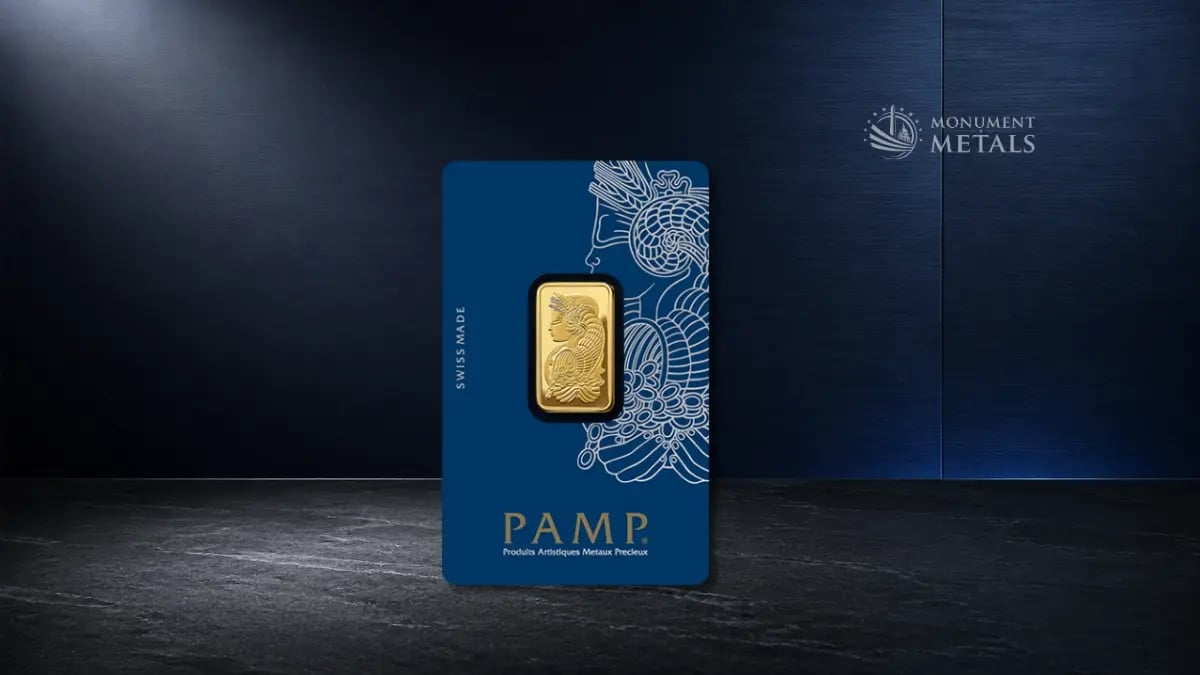


Two gold bars can contain the same weight and purity of gold and still receive different offers when they are sold. The same can be true for silver bars.
The metal content establishes the bar’s underlying value. Brand recognition can influence everything around that value: how quickly a buyer recognizes the bar, how easily it can be authenticated, how strong current demand is, and whether the next buyer is willing to pay a premium for it.
For most standard bullion bars, brand is a secondary factor rather than the main source of value. A recognizable bar from an established mint or refiner may be easier to sell and may receive a stronger offer, but a lesser-known bar does not lose its gold or silver content simply because the name is unfamiliar.
The real question is not whether brand matters at all. It is how much brand matters for the particular bar, buyer, and market.
%20Front.webp?width=397&height=397&name=2.5%20Gram%20PAMP%20Suisse%20Rosa%20Gold%20Bar%20(In%20Assay)%20Front.webp)
The starting point for valuing any bullion bar is the amount of precious metal it contains.
A one-ounce gold bar marked .9999 fine contains one troy ounce of pure gold. Its underlying metal value is based on the current gold price regardless of whether it was produced by a globally recognized refiner or a smaller private mint.
The same principle applies to silver. A 10-ounce .999 fine silver bar contains 10 troy ounces of silver. Its metal value rises and falls with the silver market.
Brand does not change the number of ounces inside a genuine bar. It can, however, affect how confidently and efficiently those ounces can be bought and sold.
Before making an offer, a dealer must be confident that the bar is genuine and that its weight and purity match its markings. Bars from established producers are often easier to recognize because dealers regularly handle them and know their expected dimensions, designs, packaging, and security features.
Recognition does not eliminate the need for testing. Reputable dealers authenticate the metal they purchase, including bars from well-known brands. A familiar name simply gives the dealer more established information to work with during that process.
A bar from an unfamiliar producer may require closer inspection or additional testing. If the dealer cannot confidently verify it, the offer may reflect the added uncertainty or the bar may need to be sold to a refiner rather than directly to another retail buyer.
Dealer buyback prices are also influenced by what buyers currently want.
If customers are actively looking for one-ounce gold bars from a particular producer, a dealer may be able to place that product directly back into retail inventory. That can support a stronger offer.
If there is little demand for the brand, the dealer may value the bar primarily for its metal content. The bar is still valuable, but there may be less opportunity to recover a retail premium.
This is why buyback prices are not permanently attached to a brand. Demand, inventory levels, wholesale bids, and market conditions can all change.
Established refinery and mint names reduce the amount of explanation needed during resale. Buyers may already recognize producers such as The Royal Canadian Mint, The Perth Mint, PAMP Suisse, Valcambi, Argor-Heraeus, Asahi Refining, and the Austrian Mint.
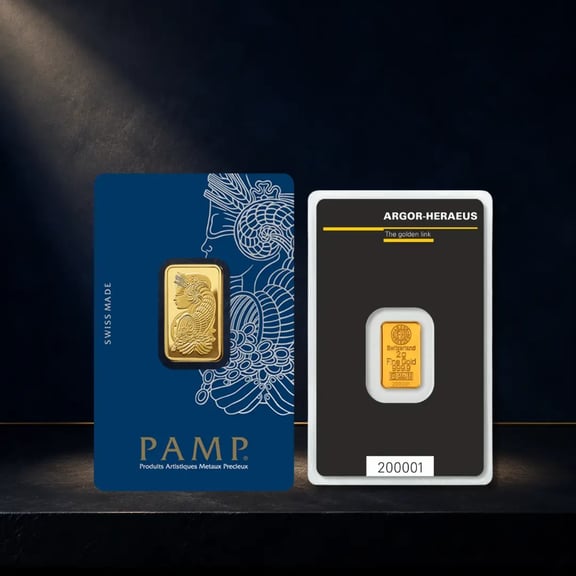
That recognition creates a larger potential buyer pool. A dealer can usually list a recognizable bar without first teaching customers who produced it or why they should trust it.
The effect is similar to liquidity in other markets. Products that more people recognize are generally easier to price, buy, and resell.
The London Bullion Market Association maintains Good Delivery Lists of gold and silver refiners accredited to supply large bars into the London bullion market. Refiners seeking accreditation must satisfy requirements involving production history, financial standing, technical capabilities, responsible sourcing, and the quality of their bars.
The Good Delivery system directly applies to the large institutional bars covered by its specifications, not automatically to every smaller retail bar an accredited refiner produces. Still, an established refiner’s reputation and history can give retail buyers additional confidence in products carrying its name.
That industry recognition is one reason bars from major producers tend to trade easily across different markets.
Many modern minted gold bars come sealed in tamper-evident packaging with an assay card, serial number, or other authentication feature. These features can make the product easier to identify and market to the next buyer.
For example, some Perth Mint gold bars are sold in serial-numbered tamper-evident cards. Other producers use proprietary security technology, registered surface patterns, QR verification, or accompanying assay information.
Packaging should not be treated as proof by itself. Counterfeiters can imitate cards, labels, and serial numbers. The metal still needs to be authenticated. However, intact original packaging from a recognized producer may make the bar more desirable to a retail buyer.
A famous name can help, but it does not guarantee that a dealer will pay above spot or return the full premium originally paid.
Retail premiums and dealer buyback prices are two different numbers. The amount paid when buying a bar includes production, distribution, dealer costs, market demand, and available supply. When the bar is sold, the offer reflects what the dealer can reasonably resell or wholesale it for at that time.
A buyer might pay extra for an elaborate design, limited release, or premium assay package. That additional amount may not be fully recoverable if the next buyer is primarily interested in the gold or silver.%20Front.webp?width=304&height=304&name=Asahi%2010%20Gram%20Gold%20Bar%20(In%20Assay)%20Front.webp)
The more a bar’s purchase price exceeds its metal value, the more important it becomes to understand what is supporting that premium.
Brand premiums can expand when a product is difficult to source or especially popular. They can also contract when supply improves or buyer preferences change.
A one-ounce bar from a major producer may receive a particularly strong bid when dealer inventory is low. The same bar may trade closer to its metal value when dealers already have substantial inventory.
This does not mean the bar has become less genuine or contains less metal. It means the market is placing less additional value on that particular format or brand at that moment.
Light scratches or signs of handling generally do not change the metal content of an ordinary bullion bar. For common cast silver bars, cosmetic wear may have little effect on the offer.
Condition can matter more for minted gold bars sold in assay packaging. A damaged card, opened package, missing certificate, or heavily scratched surface may reduce interest from retail buyers who expect the product to remain in its original presentation.
The bar can still be authenticated and sold for its metal value. The part at risk is usually the product’s premium, not the underlying gold or silver.
Bars from widely traded sovereign mints and established private refiners usually have the strongest name recognition. Dealers are familiar with their specifications, and customers frequently search for them by name.
These bars can be a good fit for buyers who prioritize broad recognition and straightforward resale. The trade-off is that they may cost more when purchased, especially when they include premium packaging or an in-demand design.
Generic does not mean fake or inferior. It generally refers to a bar whose value is based primarily on its metal content rather than a widely sought-after brand.
A genuine 10-ounce .999 fine silver bar from a lesser-known private mint still contains 10 ounces of silver. If the bar tests correctly, it retains its intrinsic metal value.
The resale offer may be closer to spot because the dealer expects to market it as generic silver rather than as a specific branded product. Buyers who paid a lower premium at purchase may be perfectly comfortable with that trade-off.
A secondary-market bar has been previously owned and returned to the market. It may come from a recognized producer, a discontinued mint, or an assortment of brands selected by the dealer.
These bars are often attractive to buyers focused on acquiring metal at a lower premium. The exact design or brand may be less important than weight, purity, authenticity, and price.
When sold again, a secondary-market bar is evaluated according to the same core factors. A recognized or collectible brand may receive additional consideration, while a common generic bar will usually trade according to its metal content and current dealer demand.
Gold concentrates substantial value into a small product. Because a one-ounce gold bar represents a significant purchase, buyers often place greater importance on the producer, packaging, serial number, and ability to authenticate it.
Small minted gold bars are also commonly marketed by brand. Buyers may specifically request a PAMP Suisse, Perth Mint, Valcambi, or Royal Canadian Mint bar rather than asking for any available one-ounce bar.
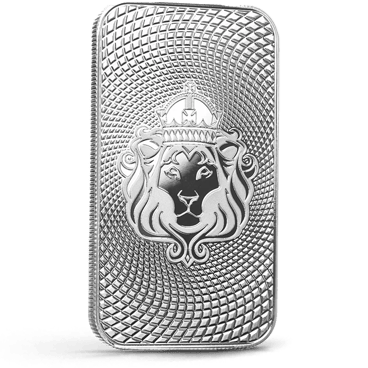
That brand-level demand can influence the resale market.
Silver bars are frequently purchased in larger quantities, making cost per ounce a major consideration. Many silver buyers are comfortable with generic one-ounce, 10-ounce, or 100-ounce bars if the metal is genuine and competitively priced.
Brand can still matter. Recognizable and collectible silver bars sometimes trade at premiums, particularly discontinued or vintage examples. For most modern silver bullion bars, however, weight, purity, price, and bar size tend to have a greater influence than the logo.
Some older bars develop collector demand based on their producer, age, scarcity, poured appearance, markings, or connection to a defunct refinery.
A vintage Engelhard or Johnson Matthey bar, for example, may be worth more than an ordinary bar containing the same amount of metal. In that situation, the brand is part of the collectible value.
Selling a vintage bar strictly for melt value could leave money on the table. Buyers should identify unusual or discontinued bars before treating them as generic bullion.
If the goal is to acquire the most metal for the budget, a lower-premium generic or secondary-market bar may make sense. The buyer accepts that the product may later be valued primarily for its metal content.
If broad recognition and retail resale appeal are priorities, paying somewhat more for a widely traded brand may be reasonable.
Neither approach is automatically better. The right choice depends on whether the buyer values the lowest acquisition cost, recognizable branding, premium packaging, collectibility, or a combination of those factors.
A more recognizable brand may receive a better bid, but that does not always mean it produces a better overall result.
Suppose one gold bar costs $40 more than another because of its brand and packaging. If that bar receives only $10 more when sold, the buyer did not recover the full difference.
That does not make the purchase wrong. The buyer may have valued the design, security features, or presentation during ownership. It simply means brand premiums should not be assumed to return dollar for dollar.
Original packaging can help preserve retail appeal, especially for minted gold bars. Receipts and order records can also document where and when the bar was acquired.
A receipt does not replace authentication, and it is generally not what creates the bar’s metal value. Still, maintaining clear records can make inventory management, insurance documentation, estate planning, and eventual resale more straightforward.
The simplest way to reduce uncertainty at resale is to begin with a properly authenticated bar from an established dealer.
A reputable dealer should clearly disclose the bar’s weight, purity, producer, condition, and whether the specific brand is guaranteed or dealer-selected. Buyers should understand whether they are purchasing a new branded bar, a secondary-market bar, or a generic product before placing the order.
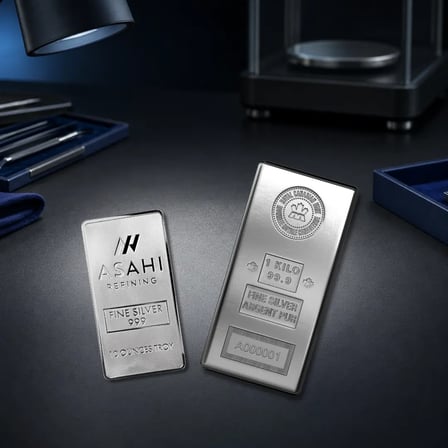
Brand matters when selling gold and silver bars, but it matters differently depending on the product.
A recognizable name can make a bar easier to authenticate, easier to market, and more desirable to the next buyer. That may lead to a stronger or faster resale offer. Brand becomes especially relevant with small gold bars, sealed assay products, and vintage bars with collector demand.
Metal content remains the foundation. A genuine bar does not lose its gold or silver simply because its producer is less familiar. Generic and secondary-market bars can still offer excellent value, particularly for buyers focused on minimizing premiums.
The smartest approach is to understand what you are paying for at the beginning. If a bar carries a higher premium because of its brand, packaging, or design, decide whether those features are valuable to you without assuming the entire premium will return when the bar is sold.
Whether you are looking for a recognizable mint, a lower-premium secondary-market bar, or a competitive offer for metal you already own, understanding how bullion is valued can help you make a more informed decision.
Browse Monument Metals’ current selection of gold and silver bars, or contact our team to request a quote for bullion you are ready to sell.
Does a branded gold bar sell for more than a generic gold bar? It can, but not always. A gold bar from a widely recognized mint or refiner may receive a stronger offer because it is easier to recognize and has broader retail demand. The difference depends on the brand, condition, packaging, dealer inventory, and current market. Both bars still derive most of their value from their gold content.
Will a dealer buy a gold or silver bar from an unknown mint? A dealer may purchase it if the bar’s weight, purity, and authenticity can be verified. An unfamiliar bar may require additional testing and may be valued primarily for its metal content. Dealer policies differ, so sellers should describe the bar accurately when requesting a quote.
Does opening a gold bar’s assay card reduce its value? Opening the assay card does not change the amount of gold in the bar. It may reduce the product’s retail premium because some buyers prefer intact original packaging. An opened bar can still be tested, authenticated, and sold according to its gold content.
Do serial numbers make gold bars more valuable? A serial number helps identify a specific bar and may support the producer’s authentication system, but it does not automatically add significant value. Its main benefit is traceability and buyer confidence. The bar’s weight, purity, authenticity, brand, and current demand remain more important.
Are generic silver bars difficult to sell? Genuine generic silver bars are commonly bought and sold. They may receive an offer closer to the underlying silver value because they have less brand-specific demand, but their silver content remains valuable. Standard weights such as one ounce, 10 ounces, and 100 ounces are generally familiar to bullion dealers.
Are vintage silver bars worth more than their silver content? Some are. Bars from discontinued refiners or historically popular producers can attract collector demand. Age alone does not guarantee a premium, but the producer, scarcity, markings, size, condition, and collector market can make certain vintage bars worth more than melt value.
Which gold bar brands are easiest to sell? Bars from widely recognized sovereign mints and established refiners generally have broad resale recognition. Examples include The Royal Canadian Mint, The Perth Mint, PAMP Suisse, Valcambi, Argor-Heraeus, and other established producers. The strongest offer still depends on authenticity, condition, packaging, size, and current dealer demand.
Is it better to buy the cheapest gold or silver bar available? The lowest-premium bar can be a strong choice for buyers focused on maximizing metal content. Buyers should still consider authenticity, producer reputation, product size, packaging, and likely resale market. The best value is not always the lowest purchase price or the most expensive brand. It is the product whose cost and resale characteristics best match the buyer’s goal.

%20copy.webp?width=1200&height=675&name=What%20Is%20the%20Difference%20Between%20a%20Coin%E2%80%99s%20Mintage%20and%20Its%20Available%20Supply%20%20(1)%20copy.webp)