
.png?width=1200&height=675&name=Silver%20Bullion%20(2).png)
Silver Supply
Market Insights
Precious Metals History

Interest rates are one of the most important forces behind gold and silver price movements. When the Federal Reserve changes policy or signals a shift, metals often react quickly.
But the relationship is not as simple as higher rates mean lower gold. Interest rates influence inflation, currency strength, borrowing costs, and global investment flows. Understanding how these pieces work together helps explain why metals sometimes move sharply and why rate policy often matters more than headlines or short-term events.
This guide explains the basics for newer buyers while also covering the deeper factors experienced investors watch closely.
An interest rate is the cost of borrowing money or the return you earn for saving it.
Examples include:
When interest rates rise, borrowing becomes more expensive and saving becomes more rewarding. When rates fall, borrowing becomes easier and returns on cash decline.
Because interest rates affect spending, investing, and economic growth, they influence nearly every financial market, including precious metals.
 What Does the Federal Reserve Do?
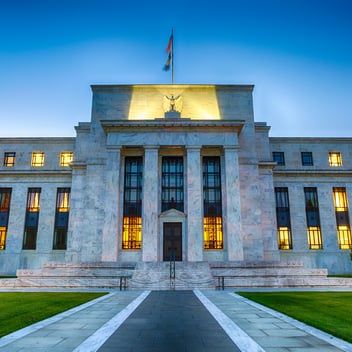
The Federal Reserve, often called the Fed, is the central bank of the United States. Its primary goals are:
To manage the economy, the Fed adjusts short-term interest rates.
When inflation is high, the Fed raises rates to slow borrowing and spending.
When economic growth weakens, the Fed lowers rates to encourage lending, investment, and consumption.
Because the U.S. dollar is the world’s primary reserve currency, Federal Reserve policy affects markets globally, including gold and silver.
Gold and silver do not pay interest or dividends. Their value comes from scarcity, global demand, and their role as long-term stores of value.
When interest rates rise:
When interest rates fall:
This is why metals have historically performed well during rate-cut cycles and low-yield environments.
Higher rates can affect metals through several channels:
Higher yields
Income-producing assets become more competitive.
Stronger U.S. dollar
Higher rates attract global capital into dollar-based assets.
Slower economic activity
Higher borrowing costs can reduce demand for industrial metals like silver, platinum, and palladium.
However, rising rates do not always push gold lower. The reason behind the rate increase matters.
If rates are rising because inflation remains elevated or financial risks are increasing, gold often continues to attract demand.
Lower interest rates typically support metals because:
Periods of monetary easing have historically been supportive for gold and, often, silver.
Experienced investors focus on real interest rates, not just the stated rate.
Real interest rate = Nominal rate minus inflation
If interest rates are 5% and inflation is 4%, the real return is only 1%.
If inflation rises faster than interest rates, real returns fall or become negative.
When real yields decline, cash and bonds lose purchasing power. In those environments, gold often strengthens.
This is one of the main reasons gold has sometimes risen even during rate-hiking cycles.
Silver responds to many of the same monetary factors as gold but also depends heavily on industrial demand. Changes in interest rates can influence economic growth expectations, which affects silver’s industrial use.
Platinum and palladium are closely tied to the automotive sector. Higher borrowing costs can slow vehicle demand, while supply constraints and environmental regulations can offset rate-driven pressure.
Each metal responds differently, but all are influenced by the broader interest rate environment.
Interest rates are one of many factors influencing the market. Inflation trends, currency movements, central bank buying, industrial demand, and long-term supply conditions also play important roles.
Trying to predict every Federal Reserve decision is difficult and often unnecessary.
Many long-term buyers focus on consistency rather than short-term timing. Building a position over time helps manage cost across different market conditions and reduces the need to react to economic headlines.
Understanding how interest rates influence gold and silver provides valuable context. The long-term role of precious metals does not depend on any single policy meeting or market event.
Do higher interest rates always push gold lower?
No. Gold often responds more to real interest rates and inflation expectations than to the headline rate alone.
Why can gold rise during rate hikes?
If inflation remains high or real yields are low, investors may still move into gold to protect purchasing power.
Does the Federal Reserve control gold prices?
No. Gold and silver trade in global markets. However, Fed policy influences interest rates, the dollar, liquidity, and investor behavior, all of which affect prices.
What is the most important rate indicator for gold?
Real interest rates, which reflect the return on cash and bonds after inflation.
.png?width=1170&height=172&name=2026_1_oz_AGB_-_Website_Banner_1%20(1).png)
%20copy.webp?width=1200&height=675&name=What%20Is%20the%20Difference%20Between%20a%20Coin%E2%80%99s%20Mintage%20and%20Its%20Available%20Supply%20%20(1)%20copy.webp)