
.png?width=1200&height=675&name=Silver%20Bullion%20(2).png)
Silver Supply
Market Insights
Precious Metals History
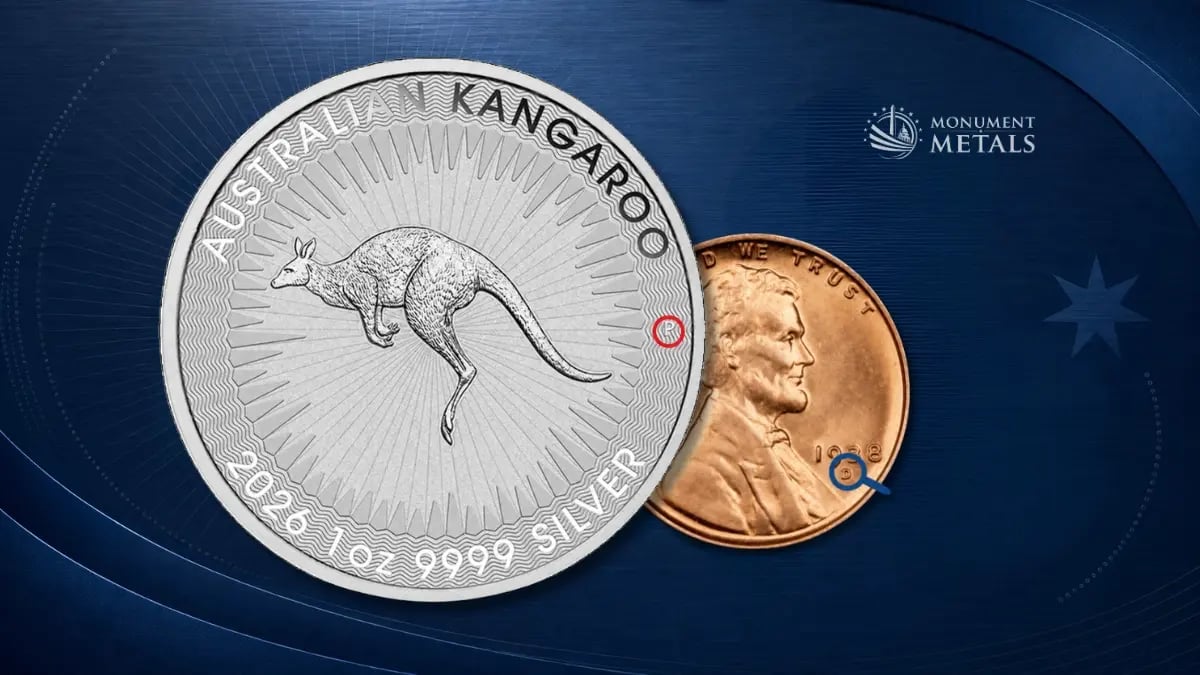


A mint mark is a small letter that identifies the facility where a coin was produced. It may look like a minor detail, but it can tell buyers where a coin came from and sometimes help distinguish a common issue from a much scarcer one.
Mint marks matter most when they are considered alongside the coin’s date, mintage, condition, and type. A particular letter is not automatically better or more valuable. The full combination is what counts.
.webp?width=466&height=466&name=S%20Mint%20Mark%20(2).webp)
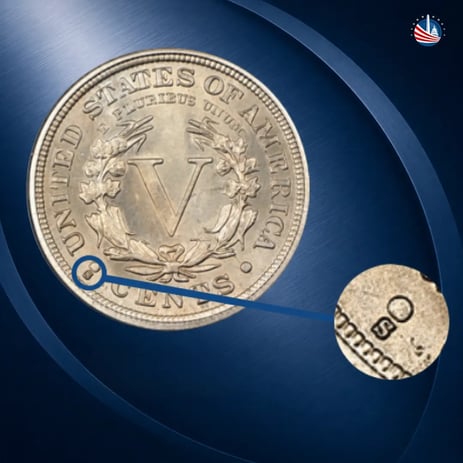
The United States Mint has produced coins at several facilities throughout its history. Mint marks made it possible to identify which facility struck a particular coin and helped officials monitor quality when circulating coins were made from precious metals.
Common modern U.S. mint marks include:
Historic marks include O for New Orleans, CC for Carson City, C for Charlotte, and D for Dahlonega. The Dahlonega Mint closed long before the Denver Mint began production, so the date and coin type make it clear which facility the letter represents.
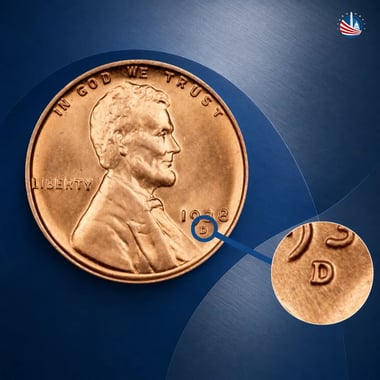
Philadelphia coins traditionally carried no mint mark. The first “P” appeared on the wartime nickel in 1942, and the mark later became standard on many denominations.
There is no single location used on every coin. Depending on the design, the mint mark may appear near the date, below the portrait, or elsewhere on the obverse or reverse.
The location can also change when a coin is redesigned. If the mark is difficult to see, compare the coin with a reliable image for the same date and type rather than assuming it is missing.
Not by itself.
Value depends on how many coins were produced at that facility, how many survived, the coin’s condition, and current collector demand. A low-mintage issue from one mint may command a strong premium, while another coin carrying the same mint mark may be widely available.
This is why buyers should evaluate the date and mint mark together. A 1921 Morgan Dollar from Philadelphia, Denver, and San Francisco may have different mintages and market values even though all three contain the same amount of silver.
Condition matters too. A scarcer date with heavy wear may be worth less than a high-grade example of a more available issue.
West Point has produced many popular bullion and collector coins, but a “W” does not automatically make a coin rare.
Some coins struck at West Point do not carry a mint mark. Many bullion American Silver Eagles, for example, were produced there without a “W.” Proof and uncirculated collector versions may display the mark, but their value comes from the specific issue, finish, mintage, and demand.
The correct question is not simply, “Does it have a W?” It is, “Which coin is this, how was it issued, and how many were made?”
For bullion buyers, the mint mark may have little effect if the product is primarily valued for its metal content. For collectors, it can be essential. 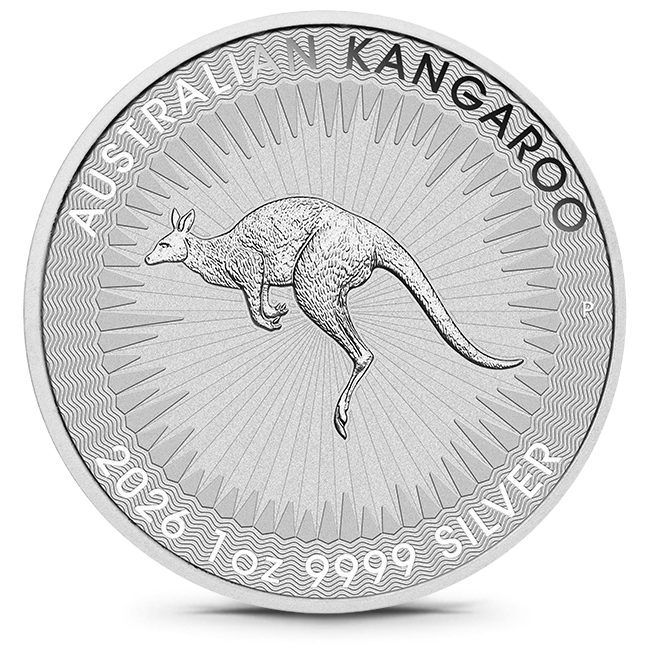
A one-ounce silver coin still contains one ounce of silver regardless of where it was struck. However, a limited collector version from a particular facility may trade for more than its underlying silver value.
That difference reflects numismatic demand, not additional precious metal.
Mint marks provide useful information, but they are only one part of a coin’s identity. To understand whether a particular issue carries additional collector value, consider the mint mark alongside its date, mintage, finish, condition, and current demand.
Before paying a premium, confirm the exact coin and understand what makes that specific issue different. The letter may point you in the right direction, but the complete coin tells the story.
What is a mint mark on a coin? A mint mark is a small letter identifying the facility where the coin was produced.
Which U.S. mint marks are used today? The most familiar modern marks are P for Philadelphia, D for Denver, S for San Francisco, and W for West Point.
Are coins without mint marks errors? Usually not. Many Philadelphia coins were intentionally produced without a mint mark, and some bullion coins struck at West Point also carry no facility mark.
Is a W mint mark always valuable? No. Its effect on value depends on the specific coin, date, finish, mintage, condition, and collector demand.
How can I find the mint mark on my coin? Check a reliable reference for the same coin type and date because the mark’s location varies by design.
Do mint marks matter on bullion coins? They can matter to collectors, but standard bullion products are usually purchased primarily for their precious metal content.

%20copy.webp?width=1200&height=675&name=What%20Is%20the%20Difference%20Between%20a%20Coin%E2%80%99s%20Mintage%20and%20Its%20Available%20Supply%20%20(1)%20copy.webp)