Pricing & Premiums


When you sell gold or silver, a dealer prices your metal using the bid, a number that moves with the market and reflects current melt value and demand. That's a different number than the premium you paid going in, and understanding the difference is the key to recognizing a fair offer when you see one.
Every gold or silver product you buy has two prices attached to it at any given moment: the bid, what a dealer will pay to buy it from you, and the ask, what a dealer charges to sell it to you. Our guide to bid price versus ask price covers this in more depth. The premium you pay when buying covers real costs, minting, shipping, insurance, and dealer overhead, that do not reverse when you turn around and sell. So most of the premium is a one-way cost of acquiring the product, not a deposit you get back later.
For widely available bullion, generic rounds, bars, and common coins, buyback price typically lands at or slightly under current spot. These products compete purely on melt value, and a dealer needs enough margin between what they pay you and what they can resell it for to stay in business. Our explainer on the secondary market is a useful companion read if you are curious where that resold inventory ends up.
A few factors work in your favor as a seller.
Recognized, liquid coins with strong secondary market demand, like American Silver Eagles or American Gold Eagles, sometimes hold on to a portion of their premium at resale, since dealers know they can move them quickly to other buyers. Numismatic or graded coins can sell for more than bullion value entirely if condition and rarity are in demand, a distinction our article on bullion versus collector coins covers well. And selling into a period of strong buyer demand, when dealer premiums across the market are running higher than usual, tends to work in your favor compared to selling during a quiet stretch, though no one can guarantee where premiums will sit on any given day.
A few habits make a real difference. Get quotes from more than one reputable dealer before committing. Favor recognized, government-minted products when you have a choice, since they typically sell more easily than generic or off-brand items. Keep coins and bars in their original packaging and condition where possible, since visible wear or damage can affect what a dealer offers. And when timing allows, selling during a period of elevated demand tends to beat selling into a slow market. Whenever you're ready to sell, we work to keep our buybacak prices as competitive as we can, so feel free to get a quote from us too.
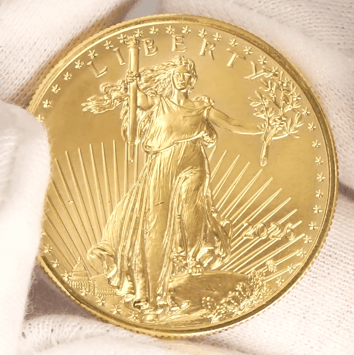
Picture buying a 1 oz gold coin at spot plus a modest premium. When you go to sell that same coin later, the dealer's buy price might reflect spot plus a much smaller premium, or none at all, depending on how recognized and liquid that particular coin is. You are not losing all of your premium in every case, but you should expect to give back most of it, since that premium was largely paying for costs that do not reverse.
Do you get the premium back when you sell silver or gold?
Generally, no. Most of the premium you paid covers minting, shipping, and dealer costs that do not reverse when you sell, so you should expect to receive a price closer to spot.
What's the difference between the bid price and the ask price?
The bid is what a dealer pays to buy a product from you, and the ask is what a dealer charges to sell it to you. Our bid versus ask breakdown covers this in full.
Why do dealers pay less than spot for some products?
Generic bullion competes purely on its metal content, so dealers need room between their buy and sell prices to cover their own costs and stay in business.
Do government-minted coins sell for more than generic rounds or bars?
Often, yes. Recognized coins like American Silver Eagles or Gold Eagles tend to be more liquid, so dealers may offer a little more for them than for unbranded products.
Does condition affect how much you get when selling?
Yes, especially for numismatic or graded coins, where wear, scratches, or damage can meaningfully lower what a dealer is willing to pay.
Is there a best time to sell gold or silver?
Selling during a period of strong demand, when premiums across the market are elevated, tends to work better than selling during a quiet stretch, though timing the market perfectly is never guaranteed.