
.png?width=1200&height=675&name=Silver%20Bullion%20(2).png)
Silver Supply
Market Insights
Precious Metals History
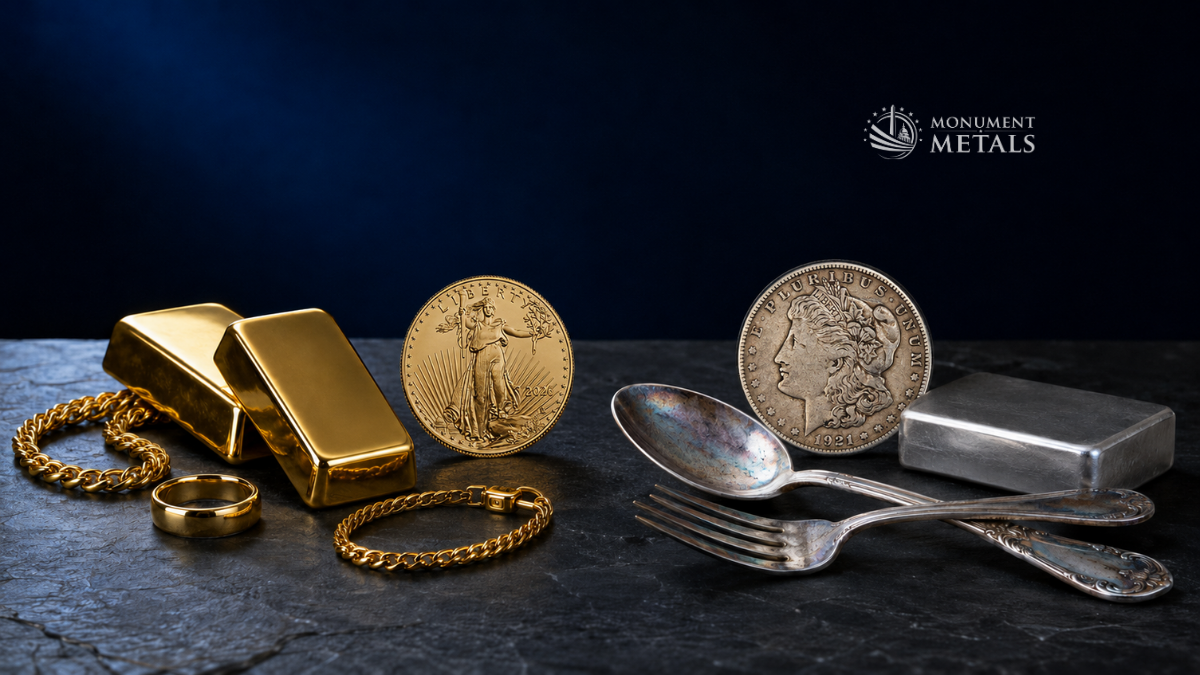


Silver can turn yellow, gray, or even black over time. Gold can sit in the same environment and look almost unchanged.
The difference is not quality. It is chemistry.
Silver reacts with sulfur-containing compounds in the air. Gold is far less reactive, especially in its pure form. That difference affects how each metal should be handled, stored, and evaluated.
Tarnish is a chemical reaction that takes place on the surface of silver.
Small amounts of sulfur-containing gases exist in everyday air. When silver reacts with those compounds, it forms silver sulfide. That surface layer creates the discoloration commonly called tarnish or toning.
Thin layers may appear yellow, blue, purple, or rainbow-colored. As the layer becomes thicker, the silver can turn dark gray or black.
Humidity can accelerate the reaction. Silver may also tarnish faster when exposed to rubber bands, latex, wool, newspaper, certain adhesives, and other materials that release sulfur-containing compounds.
This is why two identical silver coins can look very different after years of storage.
Gold is one of the least reactive metals.
Under ordinary conditions, pure gold does not readily react with oxygen, moisture, or sulfur compounds in the air. That is why high-purity gold coins and bars can retain their appearance for generations.
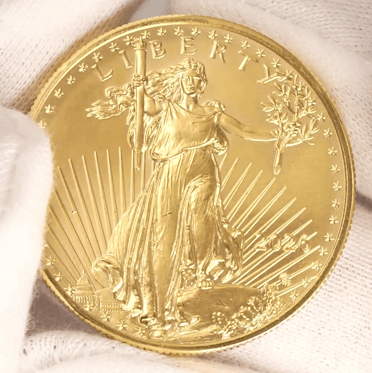
Lower-purity gold is slightly different. Gold jewelry and some coins contain metals such as copper or silver to increase durability. Those additional metals may discolor even though the gold itself remains stable.
Gold may resist tarnishing, but it is not immune to damage. Coins and bars can still be scratched, fingerprinted, dented, or improperly handled.
Tarnish does not change the amount of silver in a product. A tarnished one-ounce bar still contains one troy ounce of silver.
For bullion products, the underlying metal value remains. However, appearance may affect the premium another buyer is willing to pay. A heavily spotted or discolored coin may be less desirable than the same product with cleaner surfaces.
Collectible coins are more complicated.
Natural toning can add visual interest and sometimes increase collector demand. Certain Morgan Dollars, for example, are known for colorful toning that some collectors find desirable.
That does not mean every toned coin is worth more. Eye appeal is subjective, and uneven or unattractive discoloration may reduce demand. Date, mint mark, condition, rarity, certification, and surface originality all play a role.
Collectible coins should generally be left as they are.
Cleaning can scratch the surface, remove original luster, or leave behind chemical damage. Even a coin that looks brighter after cleaning may be worth less to collectors.
Professional grading services can identify evidence of cleaning and may assign the coin a details designation rather than a standard numerical grade.
Bullion silver is purchased primarily for its metal content, but cleaning it can still damage the surface without adding any silver value. When in doubt, leave the metal alone.
Silver does not require constant maintenance, but the right storage environment can slow tarnishing.
Use properly fitting capsules or holders made from archival-safe, PVC-free materials. Store silver in a cool, dry location and avoid direct contact with rubber bands, latex, newspaper, wool, and other potentially reactive materials.
Silica gel packets can help manage humidity inside a larger storage container. Coins should also be handled by their edges to avoid fingerprints and surface residue.
Gold should receive the same protection from scratches and physical damage, even though it is less likely to tarnish.
Most silver bullion is .999 or .9999 fine. Sterling silver contains 92.5% silver and typically includes copper.
Those additional metals affect how sterling silver reacts with its environment. Jewelry, flatware, and other sterling items may discolor differently and often require more frequent care than high-purity silver bullion.
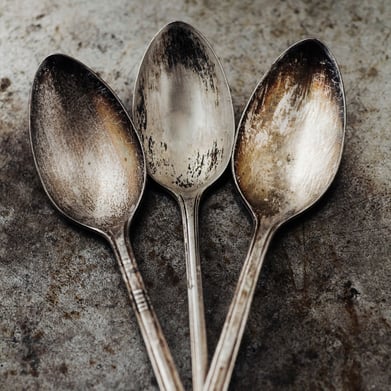
Fine silver can still tarnish. Higher purity slows some types of discoloration, but it does not prevent silver from reacting with sulfur compounds.
Pure gold is highly resistant to tarnishing. Silver responds more visibly to its environment.
That does not make silver fragile or lower quality. It simply means silver benefits from more deliberate storage.
Most importantly, tarnish does not mean silver is fake, ruined, or losing its metal content. It is a surface reaction. For bullion, the silver remains intact. For collectible coins, the effect on value depends on the coin’s overall condition and collector demand.
Why does silver tarnish? Silver reacts with sulfur-containing compounds in the environment, creating a surface layer of silver sulfide. Humidity and exposure to certain materials can accelerate the reaction.
Does pure gold tarnish? Pure gold does not normally tarnish under ordinary conditions because it is highly resistant to chemical reactions. Lower-purity gold may discolor because of the other metals in the alloy.
Does tarnish reduce the value of silver bullion? Tarnish does not change the weight or purity of the silver, but heavy discoloration may affect the premium another buyer is willing to pay.
Should tarnished silver coins be cleaned? Collectible coins generally should not be cleaned. Cleaning can scratch the surface, alter the original luster, and reduce collector value.
How should silver bullion be stored? Keep silver in archival-safe, PVC-free holders in a cool, dry environment. Avoid direct contact with rubber bands, latex, newspaper, wool, and other potentially reactive materials.
Why does sterling silver tarnish differently? Sterling silver contains copper and other metals in addition to silver. Those metals affect how the item reacts with its environment and how the discoloration develops.

%20copy.webp?width=1200&height=675&name=What%20Is%20the%20Difference%20Between%20a%20Coin%E2%80%99s%20Mintage%20and%20Its%20Available%20Supply%20%20(1)%20copy.webp)