Silver



If you're ready to put money into gold for the long haul, you'll hit one of the first big choices fast: bars or coins? Both hold real gold, both trade hands every day, and both can earn a place in a long-term stack. The differences are in the details, and over years those details add up.
For most long-term investors, gold bars make the most sense when you want the most gold for every dollar, especially at 1 oz and larger, because their premiums usually run lower. Government-minted gold coins tend to cost a bit more per ounce, but they come in easy-to-divide sizes and almost every dealer recognizes them on sight, which can make selling simpler. Plenty of investors end up holding some of each.
Below, we'll compare premiums, resale, storage, and authentication so you can match the format to your goals. If you're also weighing silver rounds and other formats, our coins vs bars vs rounds guide covers the bigger picture.
Start with what you want your gold to do for you, then pick the format that fits.
Lean toward bars, especially 1 oz and up. A 1 oz PAMP Suisse gold bar or a larger bar from our gold bar selection usually puts more of your budget into the metal itself and less into the cost of making and distributing it.

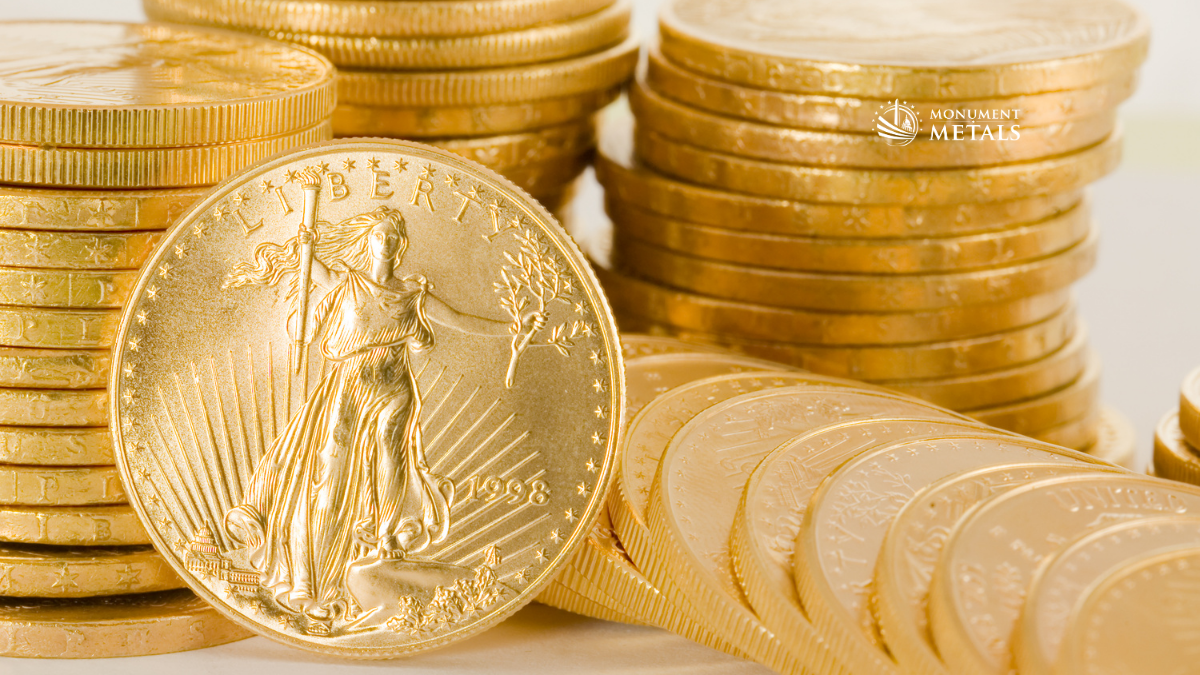
Lean toward government-minted coins. A 1 oz American Gold Eagle is backed by the U.S. Mint, comes in several sizes, and is familiar to dealers across the country. That familiarity helps when it's time to sell.
Many investors build a core of bars for cost efficiency, then add coins for flexibility. There's no rule saying you have to pick one side forever.
The premium is the amount you pay above the spot price, which is the live market price for raw gold. It covers things like minting, refining, distribution, and dealer costs. Premiums move with demand, so it's worth comparing them every time you buy.
Making a small piece of gold costs nearly as much as making a big one, so the cost per ounce is higher on smaller items. That's why a gram bar or a small coin usually carries a higher premium per ounce than a 1 oz bar, and why larger bars tend to be the cheapest per ounce of all. We dig into this in why smaller gold coins cost more.
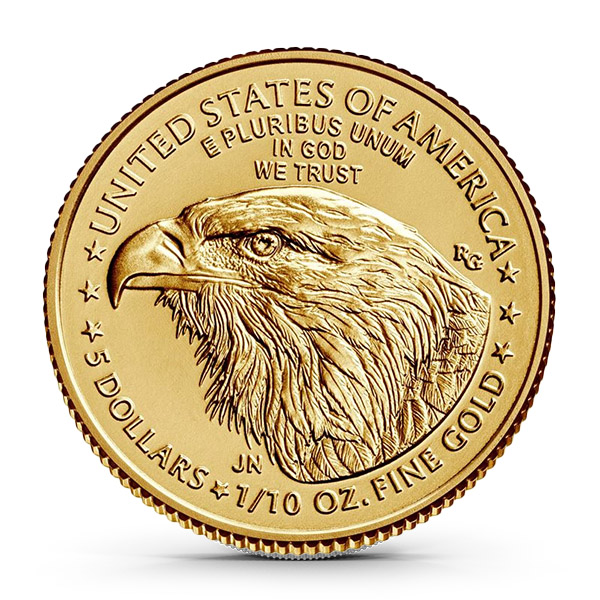
Sovereign coins, meaning coins issued by a national government mint, carry legal tender status, detailed designs, and strong worldwide demand. Those features add value, and they also add a bit to the price. At the same weight, you'll typically pay more for an American Gold Eagle than for a 1 oz gold bar. Whether that extra cost pays off depends on how you plan to sell.
| Factor | Gold Bars | Government-Minted Gold Coins |
|---|---|---|
| Premium per ounce | Usually lower, especially at 1 oz and up | Usually higher |
| Size range | From 1 gram to kilo and beyond | Mostly 1/10 oz to 1 oz |
| Recognition when selling | Strong for major refiners | Very strong, nearly universal |
| Selling in small pieces | Harder with large bars | Easy, one coin at a time |
| Storage | Compact, stacks neatly | Tubes or capsules, a bit more space |
| Authentication | Assay cards and serial numbers on many | Detailed mint designs and known specs |
Long-term investing means thinking about the exit, not just the entry. When you sell, a dealer pays you the bid price, meaning what they're willing to pay right now. Part of the premium you paid upfront usually doesn't come back, and how much comes back depends on the product. Our post on what happens to your premium walks through it.
Popular government coins tend to sell quickly because buyers already know exactly what they're getting. Bars from well-known refiners like PAMP Suisse also sell easily. Bars from lesser-known makers can still sell at a fair price, but some buyers may check them more closely. See whether bar brand matters for more.
Divisibility means how easily you can sell part of your holdings instead of all of it. A large bar is all or nothing. A stack of coins lets you sell exactly what you need. That's where fractional gold (pieces smaller than one ounce) shines. A few 1/4 oz American Gold Eagles give you options a single bar can't.
Bars win on space. Their flat, rectangular shape stacks neatly, so you can store a lot of gold in a small safe or deposit box. Coins take a little more room, usually in tubes or capsules, but they're still compact compared to silver.
Whichever you choose, keep everything in its original packaging when you can. Bars sealed in assay cards are worth leaving sealed, and coins stay in better shape when they're protected from handling. Our guide on storing gold at home covers safes, insurance, and keeping things discreet.
Authentication is about confirming that your gold is genuine and the stated weight and purity. Both formats have built-in ways to help.
Many minted bars come sealed in an assay card, a tamper-evident package listing the weight, purity, and a serial number. The PAMP Suisse Lady Fortuna bar is a well-known example. Cast bars, which are poured into molds, often have a more rustic look and may not come in assay packaging. Learn the difference in cast vs minted bars.

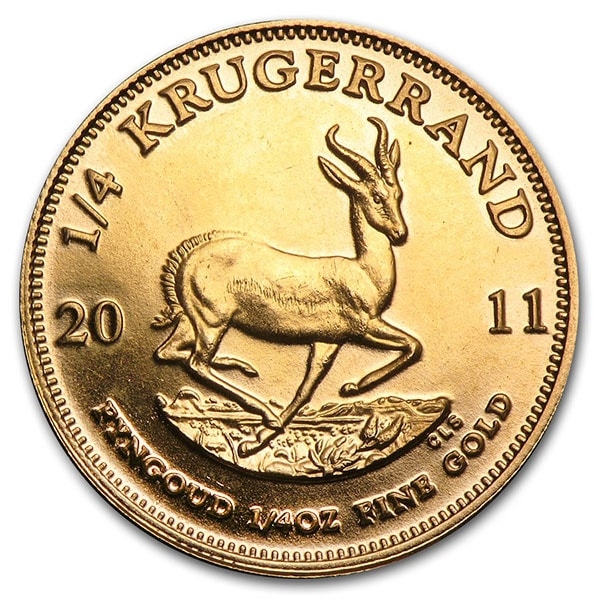
Government coins have published specifications (weight, diameter, thickness) and detailed designs that are hard to copy well. A Gold Krugerrand or Gold Eagle can be measured and compared against those specs. One thing to know: some coins, like the Eagle and Krugerrand, are 22 karat, which means a small amount of other metal is mixed in for durability. They still contain a full ounce of gold in the 1 oz size. Our guide to spotting counterfeit coins has practical checks.
The simplest protection for either format is buying from an established dealer.
If you're working with a set amount, small coins and gram bars let you start without waiting to save for a full ounce. A 1/10 oz Gold Maple Leaf is a popular entry point. Just remember the premium per ounce is higher at small sizes. Check out what $100, $500, or $1,000 buys to see how far your budget goes.
For retirement accounts, both bars and coins can qualify if they meet IRS purity and sourcing rules. Browse our IRA approved gold to see eligible products.
Are gold coins or gold bars easier to sell? Well-known government coins are usually the easiest to sell because dealers everywhere recognize them, though bars from major refiners also sell readily. Either way, expect part of your original premium not to come back, as explained in our guide to premiums when selling.
Is a 1 oz gold bar a good first purchase? It can be, especially if keeping costs low per ounce matters most to you. A 1 oz PAMP Suisse gold bar comes from a widely recognized refiner, which helps when you sell.
Why does a Gold Eagle cost more than a 1 oz gold bar? Government-minted coins have legal tender status, detailed designs, and strong demand, all of which add to the premium. Many buyers feel the easier resale of the American Gold Eagle is worth it.
Do gold bars come with certificates? Many minted bars come sealed in an assay card with weight, purity, and a serial number. Cast bars often don't, which is one of the differences between cast and minted bars.
Can I hold gold bars and coins in an IRA? Yes, as long as the products meet IRS purity and sourcing requirements. Our IRA approved gold page lists eligible options.
Should I buy one large bar or several smaller pieces? One large bar usually costs less per ounce, while several smaller pieces let you sell part of your gold without selling it all. Fractional gold is worth a look if flexibility matters to you.
Does Monument Metals offer free shipping on gold? Yes, orders of $199 or more ship free. Every order is packaged discreetly and fully insured.